What to check before booking a buggy in Dubai
Booking a buggy in Dubai sounds straightforward until the details start to matter. The desert setting, the type of vehicle, the route, the safety rules and the booking terms all shape the day. A little checking before payment can prevent mismatches, especially when expectations are based on photos or vague descriptions.
The useful approach is to treat the booking as a set of small decisions. Start with what kind of driving experience is wanted, then move through the practical terms. Names such as AL Qudra Tours may come up while comparing options, but the brand name alone is not enough. The real value is in clear details that can be checked before the booking is confirmed.
The vehicle and the driving format
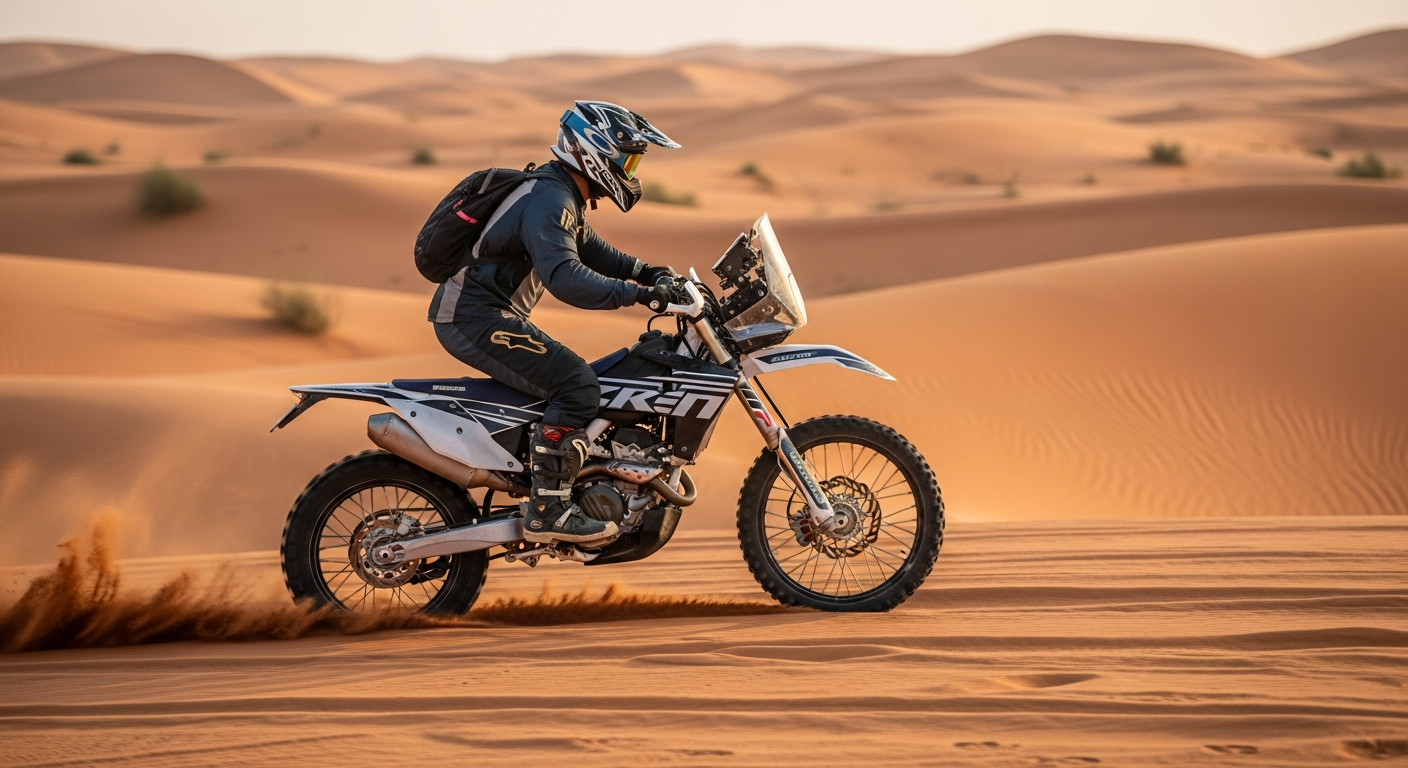
A buggy is not the same as a quad bike, and the difference affects comfort, control and the kind of terrain that feels manageable. Some visitors picture a small open vehicle with a roll cage and bucket seats. Others imagine a single-seat machine that leans into turns. Before booking, check exactly what vehicle is being offered, whether it is a buggy or another type of off-road vehicle, and how many seats it has.
It also helps to understand the driving format. Some experiences use a guided route with a leader, while others allow more independent driving within a defined area. A guided format tends to suit people who want a set route and clear instructions. A more open format may appeal to confident drivers, but it still needs firm boundaries. Ask what happens if the group splits up, whether there is a set pace, and whether stops are part of the route.
Transmission type may matter too. Automatic vehicles are usually easier for first-time off-road drivers, while manual machines require more attention to clutch control and gear choice. If the description does not say, ask. A vague answer is a sign that the booking details are not yet clear enough.
Driver requirements and who can join
Age and licence requirements are among the most important points to check. Rules can vary by operator and by vehicle type, so assumptions can lead to a wasted trip. Confirm the minimum driver age, whether a driving licence is required, and whether any experience is expected. If a licence from another country is involved, ask how that is handled before arriving.
Passenger rules deserve the same attention. Children may be allowed only as passengers, and some vehicles may not be suitable for them at all. Check seat availability, age limits and whether child-sized safety equipment can be provided where needed. If the group includes mixed abilities, say so at the booking stage. That gives a better chance of matching the activity to the group rather than forcing everyone into one narrow option.
Physical comfort is another practical point. Off-road driving can involve dust, heat, vibration and uneven ground. Anyone with back problems, neck issues, joint pain or sensitivity to dust should think carefully before booking. The activity may still be possible, but it is better to make an informed choice in advance.
Safety equipment and supervision
Safety details should be treated as core information, not an afterthought. Check whether helmets are provided and whether they are fitted properly. A helmet that is too loose or too small does not offer the same protection. Gloves, goggles or dust protection may also be useful, especially in open vehicles. If these are not included, it is worth knowing before the day.
Supervision matters because desert conditions can change quickly. Ask whether a guide stays with the group, how instructions are given, and whether there is a clear procedure if a vehicle stops or a driver feels uncomfortable. The answer should be specific enough to picture how the activity runs. Phrases that sound friendly but give no operational detail are not very helpful.
Mechanical care is also part of safety. Brakes, tyres, steering and harnesses need regular attention on off-road vehicles. While a customer cannot inspect everything, the booking process should allow reasonable questions about maintenance and vehicle checks. If a problem is suspected on the day, it should be reported before driving continues. Repairs to brakes, steering or other critical parts are a job for a qualified professional, not something to improvise in the desert.
Location, route and timing
Dubai is often associated with open desert, but not all desert areas are the same. Terrain can range from firm sand to soft dunes, and routes may pass through areas with other vehicles or restricted zones. Check where the activity starts, where it takes place and how long the driving portion lasts. A short drive with a long transfer feels very different from a longer route with little waiting time.
Timing changes the experience. Morning light can be softer and temperatures may be more comfortable. Late afternoon can bring a different atmosphere, but it can also be busier. Ask what time the session begins, when guests should arrive, and how much time is spent on briefing, driving and stops. This makes it easier to plan the rest of the day around the activity.
Transport to the meeting point is another detail that can cause friction. Check whether transport is included, where pickup happens and whether the return point is the same. If travelling independently, confirm that navigation to the start point is clear. Desert meeting points can be easy to confuse, and arriving late may cut into the session.

What the booking actually includes
Two buggy experiences can look similar in a photo while covering very different things. One may include only the drive. Another may include a briefing, safety gear, refreshments or time at a desert camp. None of these is automatically better. The key is knowing what is included so the choice fits the day being planned.
When comparing options, keep notes on the same points each time. For example, check the vehicle type, driving time, route style, safety equipment, group size, required documents and what happens if plans change. Sites such as alqudratours.com can be one reference point during that comparison, but details should still be read carefully rather than assumed from a name.
Brand names can help narrow a search. AL Qudra Tours may be one name encountered while looking into desert activities, and AL Qudra Tours can be compared with other options on the same practical points. That keeps the decision grounded in what the traveller actually needs instead of relying on presentation alone.
Insurance, deposits and cancellation terms
Insurance is easy to overlook because it is not the exciting part of the trip. It should still be checked before booking a buggy rental dubai experience. Ask what cover applies during the activity, what is excluded, and what happens if a vehicle is damaged. Read the wording rather than relying on a general claim that insurance is included. Cover for people, cover for the vehicle and cover for third parties are not the same thing.
Deposits and payment terms also need attention. Check whether a deposit is required, when the balance is due and what payment methods are accepted. There is no need to quote figures here; the important point is that the terms are clear before commitment. If a confirmation email or message is provided, keep it until after the activity.
Cancellation and rescheduling rules matter in Dubai because heat, wind or other conditions may affect outdoor plans. Ask what happens if the activity is changed by the operator, what happens if the guest changes plans, and how notice should be given. A fair policy is one that is stated plainly and applied consistently.
Comfort, clothing and personal preparation
What a person wears can affect the day as much as the booking itself. Closed-toe shoes are sensible for driving and walking on sand. Loose clothing may catch on vehicle parts, while very light clothing may offer little protection from sun and dust. A hat, sunglasses and sun protection can help before and after the drive, though eyewear should be secure enough not to fly off in open vehicles.
Hydration is worth planning for, particularly in warmer months. Check whether water is provided, and bring extra if needed. Dust can irritate the eyes and throat, so anyone sensitive should prepare for that. Long hair should be tied back, and loose scarves or dangling accessories are best avoided around moving machinery.

Photography and phones need a little thought as well. A phone can slip out of a pocket on rough ground, and holding a camera while driving is a distraction. Check whether there is a safe place to keep belongings or whether storage is available at the start point. If the route includes a photo stop, that is usually a better moment for images than taking risks during the drive.
Questions that reveal the quality of the booking details
Good questions do not need to be technical. They simply turn a vague offer into something concrete. Before confirming, it is useful to ask the following:
- What exact vehicle will be used, and is it a buggy rather than a different off-road vehicle?
- What are the driver age, licence and passenger rules?
- What safety equipment is included, and how is it fitted?
- Where does the route start, how long is the drive, and is a guide present throughout?
- What do the insurance, deposit and cancellation terms say in writing?
The way these questions are answered can be as useful as the answers themselves. Clear replies make planning easier. Evasive or overly broad replies suggest that important details may be settled only on the day, which is not ideal for an activity that depends on safety and timing.
A buggy outing works best when expectations match the reality of the vehicle, route and rules. Check the basics early, compare like with like, and keep written details. With the practical points settled, the booking becomes much less of a guess and the day can be planned with far more confidence.